(Excerpt from Health Monitor article. For more information on PAD, check out the full publication on PAD at: Health Monitor Living Peripheral Artery Disease (healthmonitornetwork.com)
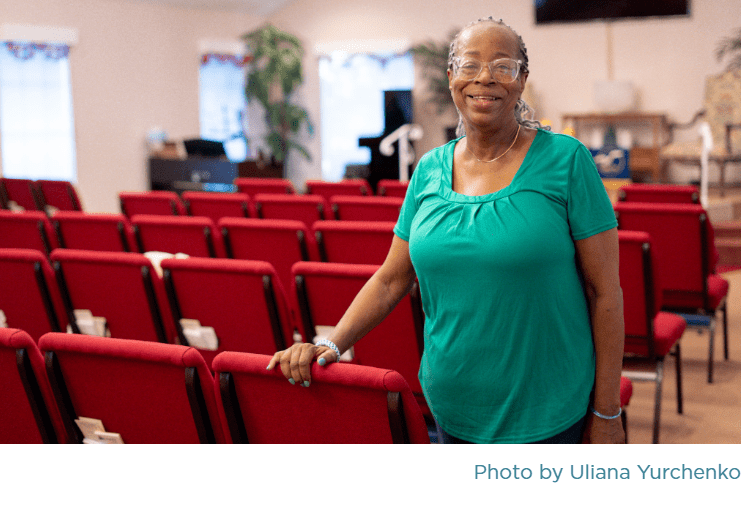
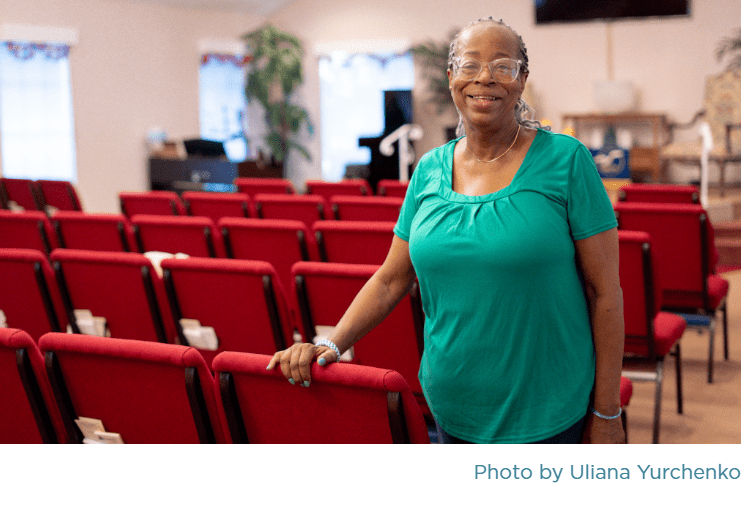
After living with leg pain for a decade and being told it was due to nerve damage from diabetes, Judith Lee Taylor was finally properly diagnosed with PAD in 2020. “By that point, imaging showed that vessels to both legs were 100% blocked, and unfortunately an angioplasty [a procedure where a balloon catheter is inserted into a blood vessel to open the arteries] didn’t work.”
She then underwent a femoral popliteal bypass surgery (which is also referred to as Fem-Pop), but that didn’t help alleviate her PAD symptoms either. At that point, her surgeon wanted to perform a different type of bypass that could result in disfigurement as a last-resort solution.
Luckily, before that happened, Judith wound up connecting with Kym McNicholas, a journalist and founder of TheWayToMyHeart.org, the only non-profit providing free education, advocacy and real-time support specifically for PAD patients.
“She put me in touch with an interventional radiologist who found a different way to access my clogged arteries via my left heel and finally helped alleviate the blockages.”
Today, Judith takes two medicines to manage her PAD, a blood thinner that helps lessen her risk of heart attack, stroke and amputation; as well as a low-dose aspirin. She shares these other tips for taking control of the condition.
Be proactive. Along with finding the right doctor and medication, Judith recommends taking an active role in your health. “Read, ask questions, exercise and reach out to support groups and organizations to learn from others,” she says. “Your doctors are the experts, but you’re the only one who knows your own body—you’re a part of that heart health team and you’re the only one who can truly advocate for you!”
Pay attention to how your body feels. “Check in with yourself after you receive treatment. If something doesn’t feel right, find out why—ask your doctors, look up your symptoms—don’t just live with it,” she says. “Do all you can do and use all the tools available to be as healthy as you can be.”
Make time for self-care. “Sleep is not a luxury; it’s essential for keeping your body happy and healthy, so don’t sacrifice it,” Judith states. “Make the time to enjoy music, pray and meditate, too, since those things can alleviate stress, which can negatively impact your cardiovascular health.”
Do a diet check, too. “The food we eat is how we create and rebuild our bodies, so it’s important to fuel it right,” Judith says. The American Heart Association offers numerous dietary suggestions to boost cardiovascular health, such as choosing whole grain foods, consuming an array of colorful fruits and vegetables, limiting sugar and reducing sodium and saturated fat. “Each of us is irreplaceable and deserves compassionate self-care,” adds Judith. “Take time to renew yourself on all levels.”
Have an attitude of gratitude. Judith, a reverend at the Tyler Unity Center in Tyler, TX, practices positive thinking and is a firm believer in the power of giving thanks. “We are stronger, wiser, more intuitive and more loved than we think,” she says. “It has been scientifically proven that our attitude plays a major part in our health responses.” Judith suggests looking for things to be grateful for, such as the people in your life. “And aren’t you glad medicine has advanced so much? Gratitude attracts more to be grateful about. Yes, sometimes I hurt so much that I cry, but every day is a celebration—and a chance to make the world a better place.”
 PAD: The Lived Experience
Leave a comment